
Products
Granule Printing
Helio’s approach to large-format additive manufacturing (LFAM): simulate thermal history, then optimize toolpath speeds so large prints run faster and more predictably.
Granule printing is delivered via our web dashboard at lfam.helioadditive.com , with pricing that differs from desktop plans.
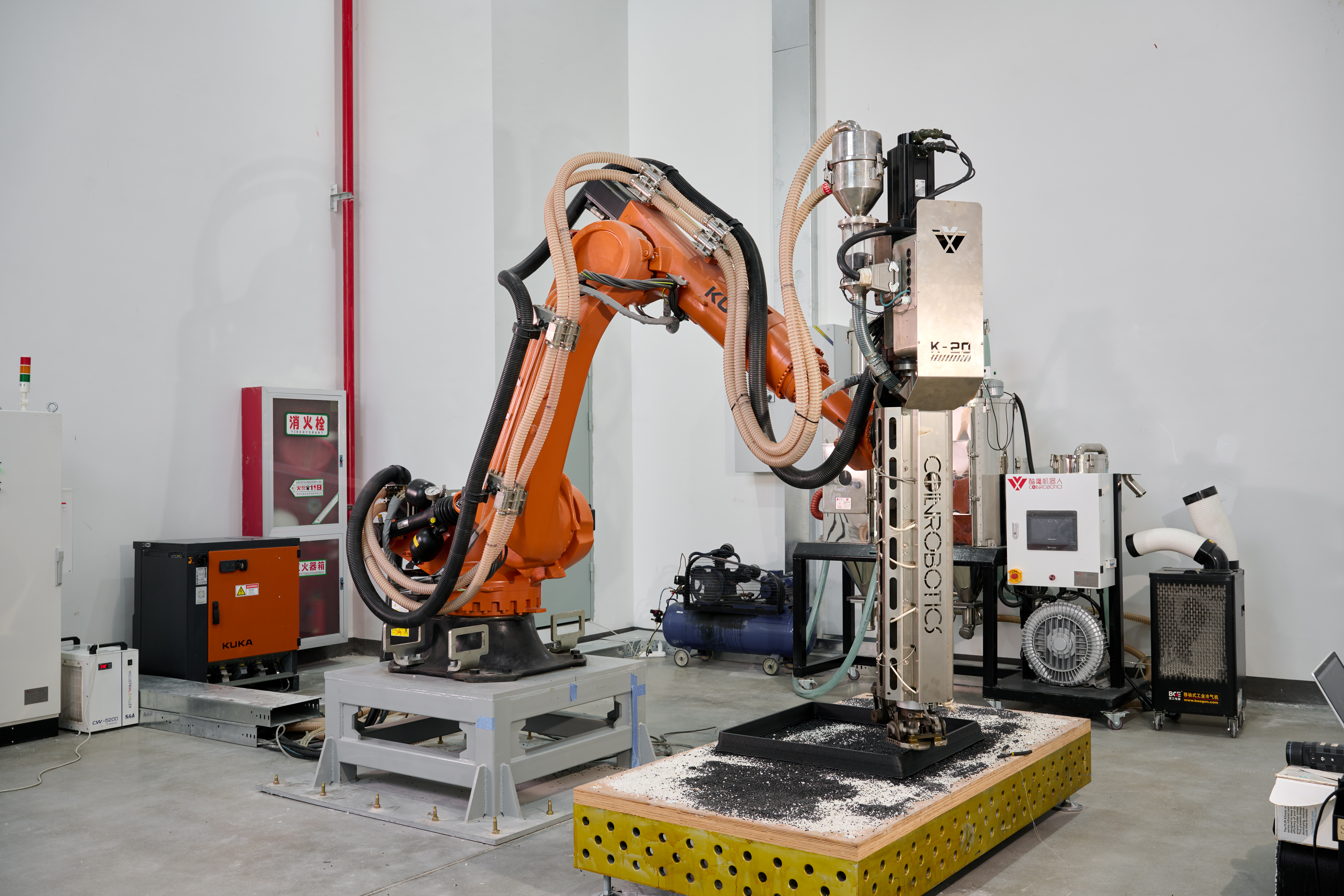
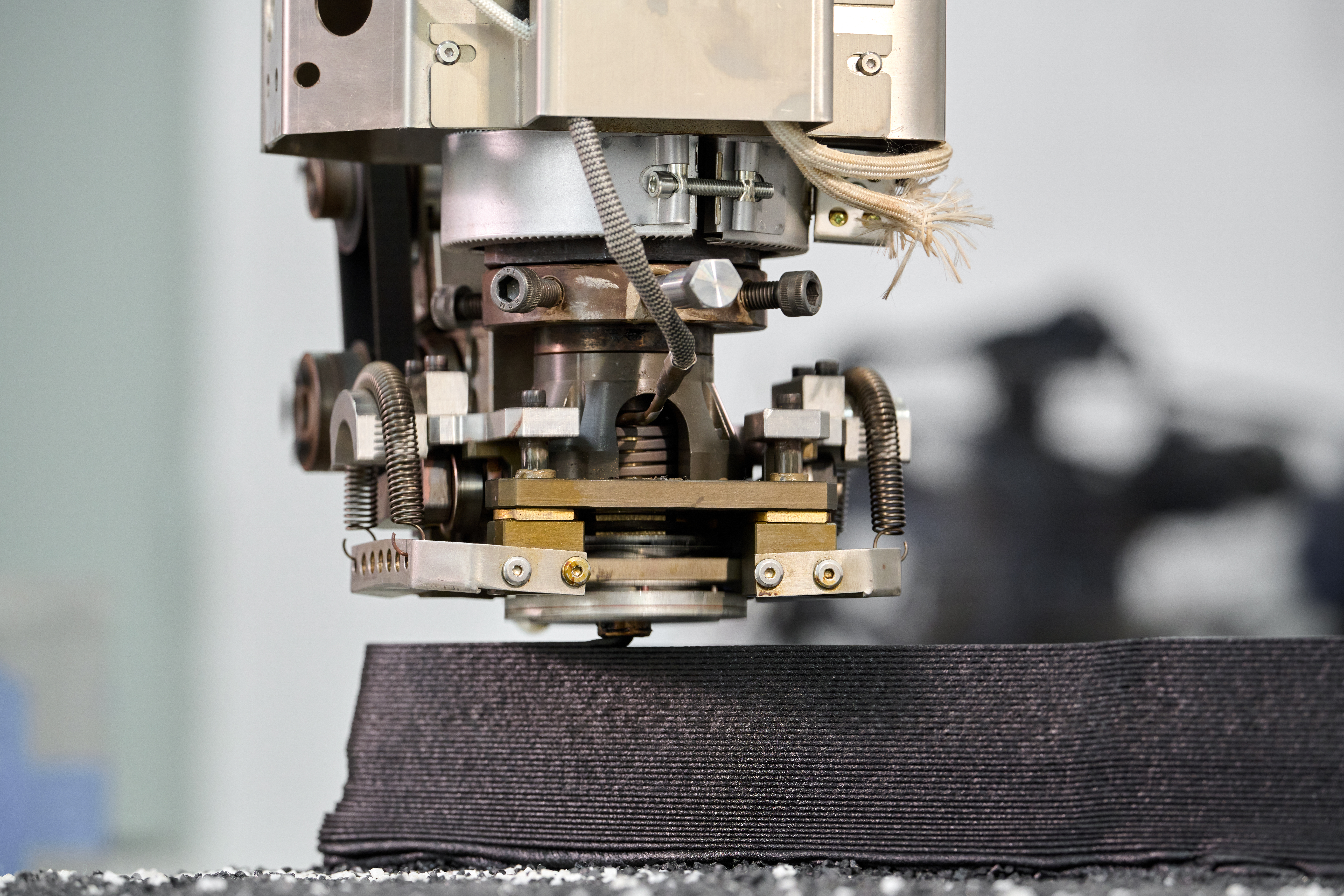
Why granule printing is different
- Thicker beads and higher deposition rates create stronger thermal gradients.
- Longer layer times and larger parts make thermal history more variable across geometry.
- Cooling is often dominated by part-scale conduction + ambient conditions, not just local fan behavior.
- Failures can show up as drift, warping, uneven bonding, or “hot spots” that accumulate over time.
Helio’s LFAM workflow
- Model the print’s thermal history so you can see where risk builds before you commit machine time.
- Translate the thermal constraints into per-road speed guidance (speed up where there’s headroom; slow down where bonding/cooling needs time).
- Compare scenarios and lock in settings that reduce risk while still cutting total print time.
- Track results across jobs to standardize a repeatable production workflow.
Pricing + delivery model
Granule printing is offered separately from desktop plans and runs through the Helio LFAM dashboard. Pricing depends on scope (machines, workflows, throughput needs, and deployment model).
Partners
Helio supports LFAM workflows with partners across toolpath generation and hardware ecosystems, including Adaxis and PioCreat.